Service Call
 Managed Print

How to Store Ink Cartridges Properly to Prevent Waste
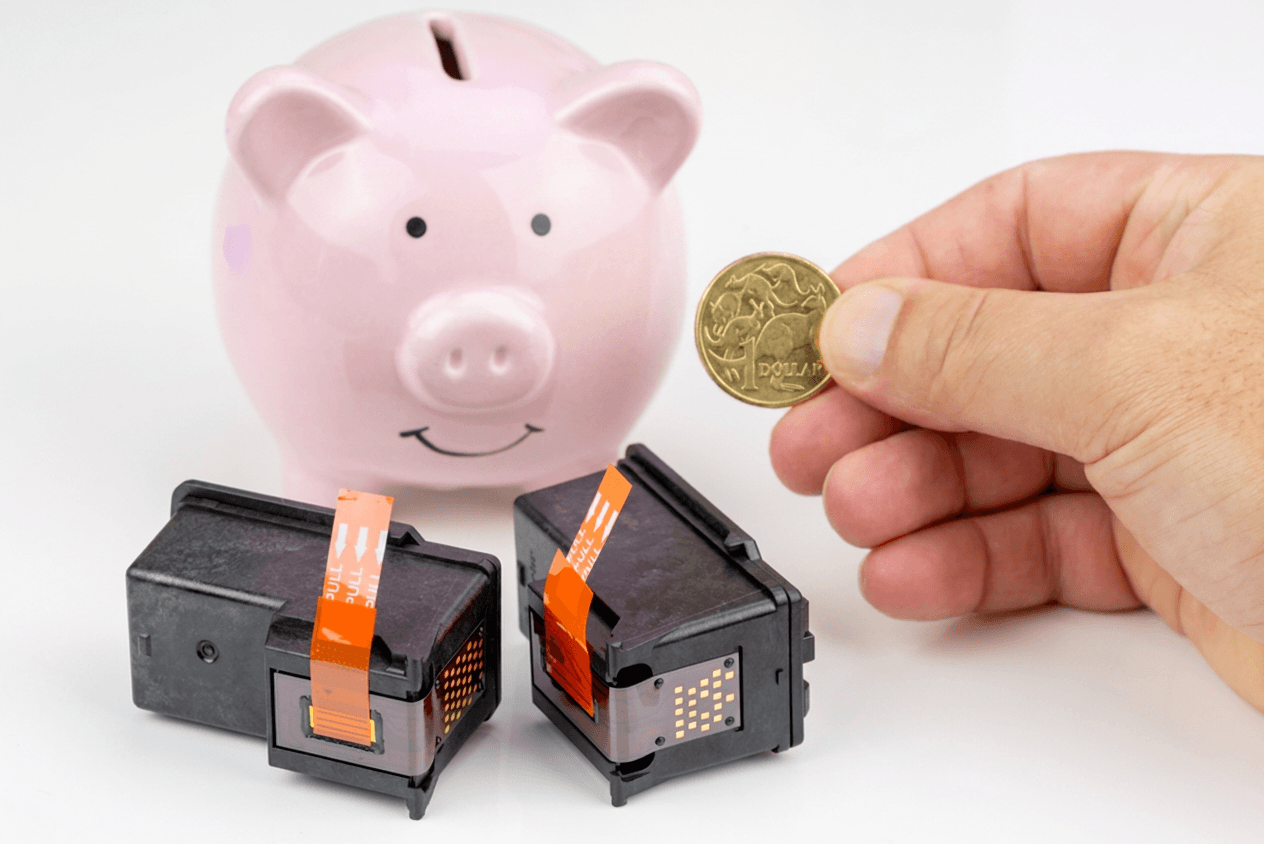
Printer ink can be expensive, so one smart way to save money and avoid running out halfway through an important print job is to buy spare ink cartridges when available. But did you know that there is a proper way to store ink cartridges? There’s little benefit to stocking up on extra ink and toner if those cartridges aren’t stored properly and end up drying out, getting damaged, or becoming unusable.
Knowing how to store ink cartridges can help protect your spare cartridges. And the good news is you don’t need any special storage equipment. The key is to protect cartridges from heat, light, moisture, and unnecessary exposure to air.
So follow this guide, and your home office stash or small-business bulk supply will be kept fresh and ready to print when you are!
How to Store Ink Cartridges: The Basics
When it comes to storing your ink cartridges, the simplest approach is usually the best. Keep cartridges in their original packaging, store them in a cool, dry place, and don’t open them until you’re ready to use them. Manufacturers can have different storage recommendations, so always check the instructions supplied with your particular cartridge.
For example, Epson recommends storing Epson ink cartridges in a cool, dark place with the labels facing up, while HP recommends keeping unopened ink cartridges in their original sealed packaging away from direct sunlight.
As a general rule, when storing printer cartridges, remember these five principles:
Keep cartridges sealed until you need them.
Avoid heat and freezing temperatures.
Keep them away from direct sunlight.
Store them in a dry environment.
Follow the manufacturer’s recommended orientation.
Generally, you want to keep them away from places where temperatures can fluctuate. A desk drawer, cupboard, or home office storage cabinet is a great place for storing your unopened printer cartridges.
How to Store Unopened Ink Cartridges
Unopened cartridges are the easiest to store because their original packaging is designed to protect them until they’re needed. Leave the cartridge inside its original box and sealed bag or wrapping. Don’t remove protective tape, seals, or other packaging simply because you don’t plan to use the cartridge immediately; once opened, the cartridge is more exposed to air and environmental conditions.
It’s also worth checking the use-by or expiry date printed on the packaging. Cartridge shelf life varies by manufacturer and product, so there isn’t one universal answer to how long an unopened cartridge will remain usable. HP, for example, recommends storing unopened HP ink cartridges between 0°C and 35°C, while specific Epson cartridges have different published storage ranges.
For the best results, keep unopened cartridges:
In their original packaging
Away from direct sunlight
Away from moisture and condensation
If you’re buying ink cartridges in advance, rotating your stock can also help. Use older cartridges first rather than continually adding newer ones to the front of the cupboard.
Where Is the Best Place to Store Printer Ink Cartridges?
The ideal storage location is somewhere cool, dry, dark and relatively stable. Think about where you keep other temperature-sensitive office supplies. A cupboard inside your home or office is generally preferable to an outdoor shed or garage.
Extreme temperatures can affect liquid ink, while condensation after moving cartridges between very cold and warm environments can also cause problems. Epson specifically advises allowing cartridges brought in from cold storage to return to room temperature before use. If you’re wondering how to preserve ink cartridges for as long as possible, stable storage conditions are more important than finding a particularly cold location.
How to Store Ink Cartridges When Not in Use
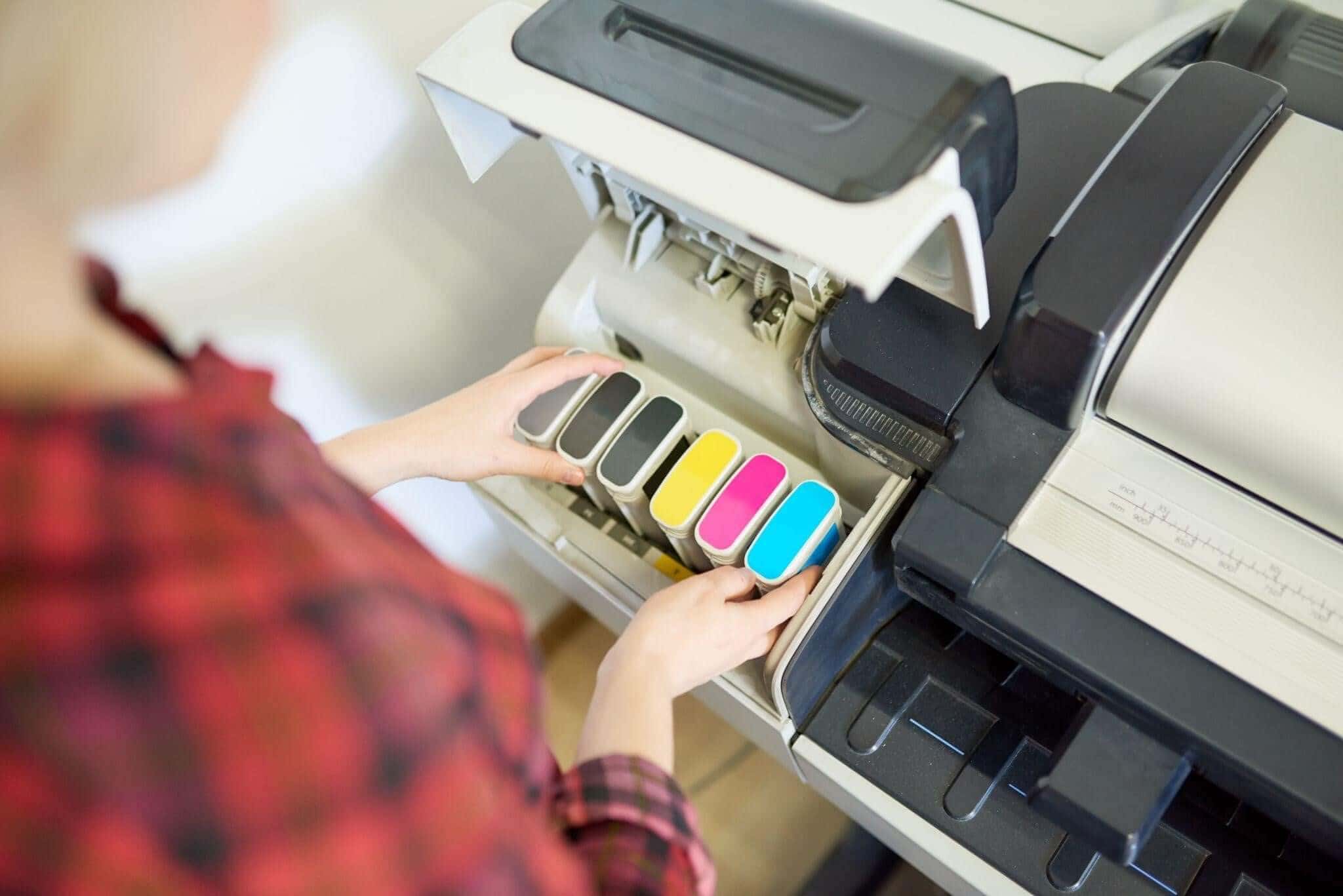
What happens if you’ve already opened a cartridge but don’t need to use it straight away? This requires a little more care: once a cartridge has been opened or removed from a printer, its ink can be exposed to air, and the cartridge’s nozzle or ink supply area may be more vulnerable to drying or contamination. If your printer manufacturer provides a cap, clip or other protective component, use it.
Avoid touching the cartridge’s electrical contacts or ink supply areas unnecessarily. Don’t shake, squeeze or drop the cartridge, as this can cause leaks or damage. If you’re going to be away from your printer for an extended period, check the printer troubleshooting guide or the manufacturer’s instructions before removing installed cartridges.
How Long Does Printer Ink Last?
If unopened and stored properly, printer ink cartridges can last up to 18 to 24 months. Once installed in a printer, usable life ranges from 3 to 12 months depending on how often you print. Exposure to air causes ink to evaporate and dry inside the printhead, leading to clogged nozzles, streaked output, or blank pages, even when the cartridge still contains ink.
To prevent drying, print at least one page every one to two weeks. If you print very rarely, a laser printer or continuous ink tank printer avoids this problem entirely.
Does Storing Ink Cartridges in the Fridge Work?
If refrigerators keep food fresh, perhaps they can keep printer ink fresh too, right? Some manufacturers allow cartridges to be stored at relatively low temperatures, but that doesn’t mean a household refrigerator is the recommended place to keep them. Ink cartridges are manufactured for specific storage temperature ranges, which vary by product.
The bigger issue is what happens when a cold cartridge is taken out and exposed to warmer air. Condensation and temperature changes can affect the cartridge, and some manufacturers recommend allowing cold cartridges to warm to room temperature for several hours before installation. You should make sure your storage area is stable, dry and within the manufacturer’s recommended temperature range.
For most households and offices, a cupboard out of direct sunlight and heat is a much simpler and better option.
How to Store Toner Cartridges
Ink and toner cartridges shouldn’t be treated as the same thing or stored the same way. Ink cartridges contain liquid ink, while toner cartridges contain dry powder. As a result, toner doesn’t dry out the way liquid ink does, but toner cartridges are still sensitive to factors such as heat, humidity, light, and physical damage – so don’t leave toner cartridges in a hot car or damp storage area.
So, storing toner cartridges requires a slightly different approach.
Keep toner cartridges:
In their original packaging until needed
In a cool, dry and stable environment
Away from direct sunlight
Away from excessive humidity
Protected from knocks and vibration
In the orientation specified by the manufacturer
Some manufacturer guidance also recommends keeping cartridges flat and in the same orientation as they would be installed in the printer. If you’re using a laser printer, it’s therefore worth giving your spare toner cartridges the same level of care as your ink supplies.
FAQs
How long can an unopened ink cartridge be stored before it dries out?
There isn’t a universal shelf life for all ink cartridges. It depends on the manufacturer, cartridge type and storage conditions. An unopened cartridge kept sealed in its original packaging and stored within the recommended temperature range can last considerably longer than an opened cartridge.
Always check the date and storage instructions printed on the packaging.
Can you store ink cartridges in the fridge?
Generally, refrigeration isn’t necessary. The safest approach is to follow the manufacturer’s specified storage temperature rather than assuming colder is better. Moving a cartridge from a cold environment to a warm room can also cause condensation.
If a cartridge has been stored in a cold place, some manufacturers recommend allowing it to return to room temperature before use.
Is it safe to use an ink cartridge after long-term storage?
It can be, provided the cartridge has been stored correctly and hasn’t passed its recommended use-by date or developed signs of damage. Before installing an older cartridge, inspect the packaging and cartridge for leaks or physical damage. If the first prints show poor quality, smudging or smearing, then the cartridge may have deteriorated during storage.
Do compatible ink cartridges dry out faster than genuine cartridges?
Not necessarily. Compatible ink cartridge storage is more or less the same as first-party ink storage, although drying and performance depend on factors such as the ink formulation, cartridge construction, packaging, storage conditions, and storage duration. A compatible cartridge that is properly sealed and stored can remain usable, but you should always follow the storage and shelf-life guidance supplied with that specific product.
How should I store toner cartridges differently from ink cartridges?
Both should be protected from heat, moisture, sunlight and physical damage, but toner contains dry powder rather than liquid ink. Toner cartridges don’t dry out the same way ink cartridges do. They should still remain in their original packaging and be stored according to the manufacturer’s recommended orientation and environmental conditions.
What’s the best way to store spare cartridges when buying in bulk?
Keep bulk cartridges sealed in their original packaging and store them in a cool, dry, dark and stable indoor location. Organise them by printer model and use older stock first. Before buying a large quantity, consider how quickly you actually use cartridges and check the manufacturer’s recommended shelf life so your savings don’t turn into wasted supplies.
Store Your Cartridges Properly & Waste Less
Learning how to store printer ink cartridges doesn’t require much effort, but it can make a difference when you’re ready to use your next cartridge. Keep spares sealed, away from heat and sunlight, and stored in a dry, stable place. Most importantly, follow the storage instructions for the specific cartridge you’re using.
Need to stock up on ink and toner cartridges? Browse ink cartridges online at CartridgesDirect to find compatible options for your printer, or explore printer cartridges online for a wider range of printing supplies.